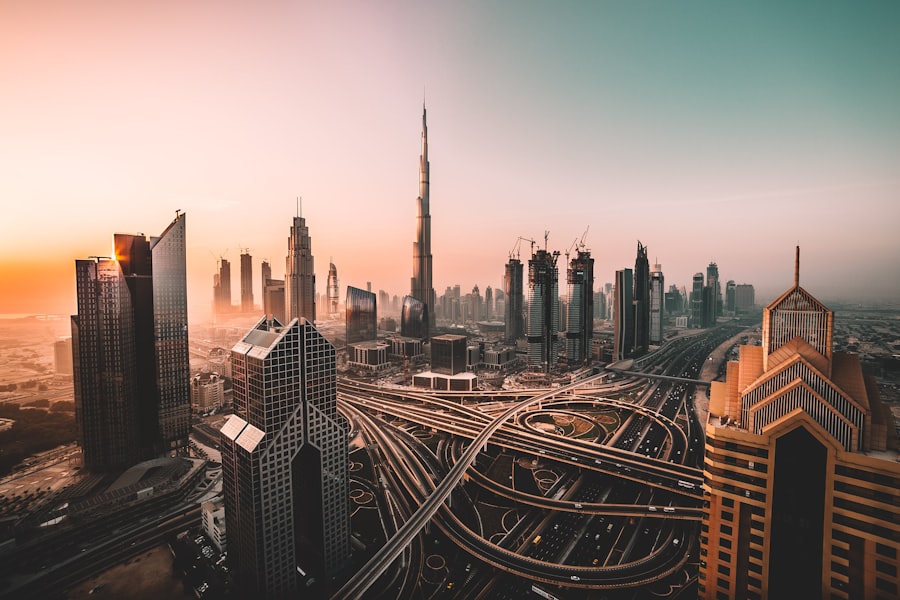
Saudi Arabia's smart city transformation is reshaping the GCC digital landscape.
When Saudi Arabia launched Vision 2030 in 2016, it set out the most ambitious national transformation agenda in the Middle East's history. A decade on — and with just four years remaining until the landmark deadline — the Kingdom's digital economy is not just on track. In several areas, it is exceeding its original targets. In 2026, artificial intelligence, smart city infrastructure, and digital financial services are the three engines driving Saudi Arabia's transition from an oil-dependent economy into a global knowledge and innovation powerhouse.
For enterprises, investors, and technology providers operating across the GCC, understanding the current state of Saudi Vision 2030's digital pillar is essential for identifying where the region's biggest growth opportunities lie over the next four years. This complements our analysis of AI-powered cybersecurity in the UAE and edge computing across the GCC — all pillars of the same digital transformation story.
The Digital Economy Pillar: Where Saudi Arabia Stands in 2026
Saudi Arabia's digital economy now contributes approximately 9.9% of GDP — up from just 3.8% when Vision 2030 was launched. The Kingdom's target is 19.2% by 2030. Key milestones already achieved include over 8.6 million Saudi citizens trained in digital skills through the Digital Literacy Programme, the Kingdom ranking 1st globally in mobile internet speed with 5G coverage reaching over 95% of populated areas, and Saudi Arabia attracting more than $10 billion in foreign direct investment into its digital and technology sectors in 2025 alone.
AI at the Core of Vision 2030: The Saudi National AI Strategy
Saudi Arabia's National Strategy for Data and Artificial Intelligence (NSDAI), overseen by the Saudi Data and Artificial Intelligence Authority (SDAIA), is one of the most well-funded and comprehensive national AI agendas in the world. The strategy targets making Saudi Arabia a global leader in AI by 2030 — not just a consumer, but a producer and exporter of AI solutions.
Thakaa Centre for AI Research has published over 200 peer-reviewed AI research papers and is developing Arabic-language LLMs in partnership with KAUST. The National AI Platform now powers over 140 government services. Over 30,000 Saudi nationals have been trained in AI-specific skills with a target of 100,000 by 2030. Saudi Aramco, PIF, and private sector partners have committed over $20 billion to AI infrastructure through 2030.
NEOM 2026: The World's Most Ambitious Smart City Project
No discussion of Saudi Arabia's digital future is complete without NEOM — the $500 billion megacity project on the Red Sea coast of northwestern Saudi Arabia. THE LINE — NEOM's 170km linear city — is designed to house up to 9 million residents with zero cars, zero carbon emissions, and 100% renewable energy. Its AI backbone manages everything from energy distribution to personalised citizen services and predictive infrastructure maintenance.
Infrastructure contracts worth over $50 billion have been awarded, with technology partnerships formalised with Cisco, Honeywell, Siemens, and IBM. NEOM's industrial hub Oxagon integrates robotics, AI, IoT, and edge computing for Industry 4.0 at civilizational scale. Sindalah, NEOM's luxury island, is on track to open first facilities in 2026 with AI-powered concierge services and integrated digital identity systems.
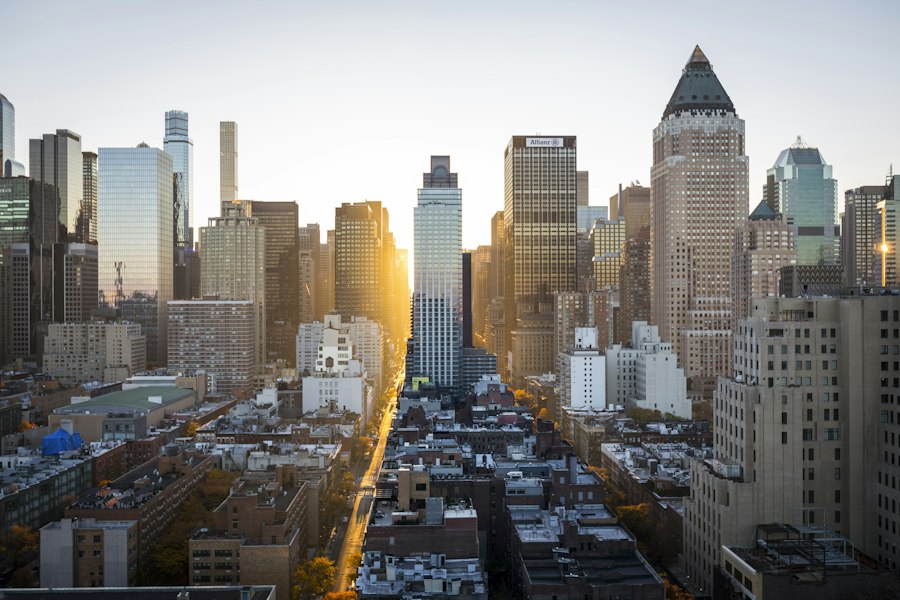
Riyadh's skyline is being reshaped by Vision 2030's smart city initiatives.
Riyadh's Smart City Transformation: Vision 2030 in the Capital
While NEOM attracts the headlines, Riyadh is undergoing its own profound digital transformation. In 2026, Riyadh's smart city initiatives include a city-wide AI traffic management system reducing average commute times by 30%, smart street lighting across 15,000 km of roads, a real-time digital twin of the entire city used by planners and emergency services, and an AI-powered utility network that has reduced per-capita consumption by 18% since 2023.
Digital Financial Services: Building the Saudi Fintech Ecosystem
Saudi Arabia's fintech ecosystem — anchored by the Saudi Central Bank (SAMA) and the Capital Market Authority (CMA) — has grown from fewer than 20 licensed fintechs in 2017 to over 230 active companies in 2026. The Digital Riyal CBDC is moving from pilot to limited commercial deployment, making Saudi Arabia one of the first G20 nations to operationalise a CBDC. The BNPL market has grown to $4.1 billion, with Tamara and Tabby now among the region's most valuable fintechs.
The Role of Cloud Computing in Saudi Vision 2030
All major global cloud providers have established Saudi data centre regions, enabling government agencies, banks, and healthcare providers to migrate to cloud while complying with data residency requirements:
| Cloud Provider | Saudi Region | Launch Year | Key Services |
|---|---|---|---|
| Microsoft Azure | Riyadh + Jeddah | 2023 | AI, Government Cloud, IoT |
| Amazon Web Services | Riyadh | 2024 | Enterprise, AI/ML, Storage |
| Google Cloud | Riyadh | 2024 | AI Platform, Analytics, Workspace |
| Oracle Cloud | Riyadh + Jeddah | 2022 | ERP, Database, Government |
| Alibaba Cloud | Riyadh | 2023 | E-commerce, AI, SMB solutions |
For a deeper dive, read our guide on edge computing in the GCC and building a resilient hybrid architecture.
Opportunities for GCC Enterprises and Technology Partners
Saudi Arabia's digital transformation represents one of the largest sustained technology procurement opportunities in the world. The most significant opportunities in 2026–2030 include smart city infrastructure integration, AI and data analytics for government and enterprise, cybersecurity solutions aligned with NCA-ECC and SAMA requirements, cloud migration and managed services, and digital health solutions. According to Gartner's AI research, organisations that invest in AI talent alongside AI infrastructure see 2.5x better outcomes from their digital transformation programmes.
Conclusion: Saudi Vision 2030 Is Not Just a Vision Anymore
In 2026, Saudi Arabia's Vision 2030 digital economy is a living, growing reality — visible in the Riyadh skyline, the expanding 5G network, AI-powered government services used by millions every day, and the early infrastructure of what will become the world's most technologically advanced city at NEOM. The remaining four years will be defined by execution — scaling what works, learning from what has not, and ensuring the Kingdom's digital transformation delivers tangible prosperity for all Saudi citizens.
Looking to engage with Saudi Arabia's Vision 2030 digital economy? Global DXB works with enterprises across the GCC to navigate opportunities in the Kingdom's technology sector. Contact us today to explore how we can support your Saudi market strategy.
Comments
Post a Comment