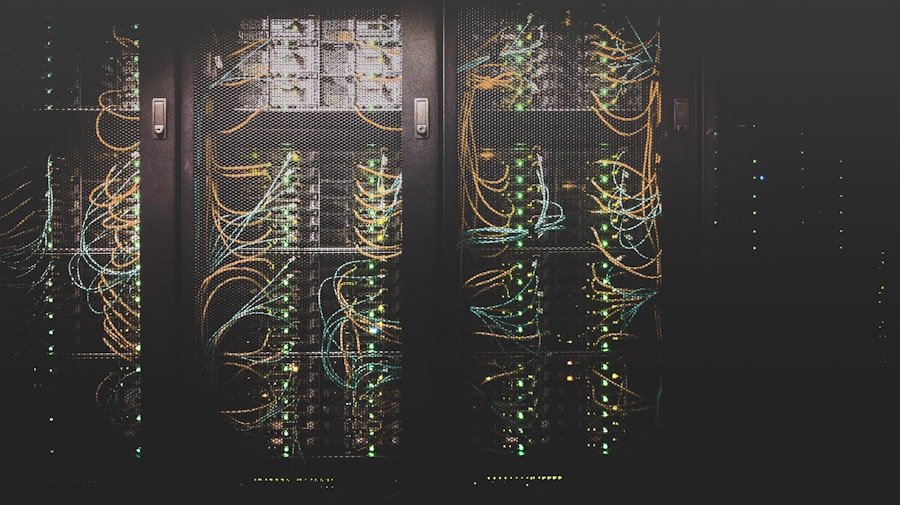
Edge computing infrastructure powering the GCC smart economy
A new computing paradigm is transforming how GCC enterprises handle data — at the very edge of the network. Edge computing is no longer a niche technology. In 2026, it is the foundational architecture for smart cities, industrial automation, AI inference, and real-time decision-making across the UAE, Saudi Arabia, and the wider GCC.
From Dubai's autonomous transport network to NEOM's AI-powered city grid, edge computing is the invisible engine making next-generation applications possible. For a deeper look at how AI is reshaping enterprise security, see our guide on AI-Powered Cybersecurity in the UAE 2026.
What Is Edge Computing?
Edge computing moves data processing closer to where data is generated — a factory floor, a retail store, a connected vehicle, or a hospital ward. Instead of sending all data to a centralised cloud server, edge nodes analyse and act on data locally, in real time — delivering lower latency, reduced bandwidth consumption, enhanced data privacy, and resilience when cloud connectivity is interrupted.
GCC Edge Computing Market 2026
The GCC edge computing market is projected to reach $4.2 billion by 2027, growing at a CAGR of 31.4%. According to Gartner, 75% of enterprise-generated data will be processed at the edge by 2028 — up from just 10% in 2020. Key drivers include 5G proliferation, smart city mega-projects, Industrial IoT, and AI-powered retail and hospitality.
Top Edge Computing Use Cases in the GCC
1. Smart Manufacturing and Industry 4.0
Manufacturers in Saudi Arabia and the UAE deploy edge computing for real-time quality control, robotic automation, and predictive maintenance — aligned with NEOM Oxagon industrial targets. Edge nodes process sensor data from thousands of machines simultaneously, identifying anomalies in milliseconds before equipment failure.
2. Autonomous and Connected Vehicles
Dubai's Roads and Transport Authority (RTA) is piloting autonomous vehicle networks. Each vehicle generates and processes up to 4TB of data per day at the edge — real-time driving decisions that cannot wait for cloud round-trips.
3. AI Inference at the Edge
GCC enterprises run AI inference locally on Nvidia Jetson, Intel Movidius, and Qualcomm AI chips embedded into cameras, industrial sensors, and retail kiosks — delivering instant AI-powered insights without cloud dependency. See our Cloud Computing Solutions guide for the hybrid cloud-to-edge model.
4. Healthcare and Telemedicine
Hospitals across Dubai Healthcare City use edge computing for real-time patient monitoring, AI-assisted diagnostics, and secure handling of sensitive health data — ensuring compliance with UAE data protection regulations without transmitting data to external clouds.
5. Energy and Utilities
DEWA and ADNOC deploy edge computing across smart grid and oil field monitoring networks. Edge processing enables real-time load balancing, fault detection, and automated response — critical for utilities managing millions of connected endpoints.

Industrial IoT powered by edge computing on the factory floor
Leading Edge Computing Platforms in the GCC
| Platform | Vendor | Key Strength | GCC Footprint |
|---|---|---|---|
| Azure Edge Zones | Microsoft | Cloud-to-edge consistency, AI | UAE (Abu Dhabi, Dubai) |
| AWS Outposts / Wavelength | Amazon Web Services | AWS-native workloads at edge | UAE, Saudi Arabia |
| Google Distributed Cloud | AI/ML at edge, open infra | UAE, Saudi Arabia | |
| Huawei IEF | Huawei | Industrial IoT, telco edge | UAE, Saudi Arabia, Qatar |
| Dell EMC PowerEdge | Dell | Ruggedised hardware | GCC-wide |
Edge vs Cloud: The Hybrid Balance
Edge computing complements rather than replaces cloud. Time-sensitive processing happens at the edge; historical analysis, model training, long-term storage, and enterprise reporting happen in the cloud. For GCC enterprises, this hybrid approach leverages world-class in-region cloud infrastructure while delivering the real-time performance smart city and industrial applications demand.
Challenges to Adoption
Security: Distributed edge nodes create a larger attack surface — zero-trust security architecture is essential. Standardisation: The ecosystem remains fragmented; evaluate vendor lock-in risks. Operational complexity: Managing fleets of edge nodes requires mature MLOps and DevOps capabilities. Talent gaps: Combined expertise in networking, embedded systems, cloud, and AI is scarce across the GCC. UAE Federal Decree-Law No. 45 of 2021 and Saudi Arabia's PDPL make edge computing especially attractive for regulated industries by keeping data in-country.
What GCC Business Leaders Should Do Now
Identify latency-sensitive workloads. Assess 5G readiness with telco partners — e&, du, STC, or Ooredoo. Start with a pilot (predictive maintenance, retail analytics, smart building management). Build zero-trust security from day one. Contact Global DXB for a tailored edge computing strategy.
Conclusion
Edge computing is the infrastructure backbone of the smart, AI-driven GCC economy being built right now. Whether you are in manufacturing, retail, healthcare, energy, or smart city services — the question is whether your organisation leads this transformation or is left behind.
Ready to explore edge computing for your GCC enterprise? Contact Global DXB today — our certified edge and cloud architects deliver real business outcomes, right from the edge.
Comments
Post a Comment