Artificial intelligence is rewriting the rules of healthcare delivery across the UAE — and in 2026, the transformation is no longer confined to pilot programmes or proof-of-concept trials. AI is now embedded in the clinical workflows of major hospitals, woven into the national health infrastructure of Dubai and Abu Dhabi, and driving measurable improvements in patient outcomes, diagnostic accuracy, and operational efficiency across the Emirates.
For healthcare executives, hospital administrators, and technology decision-makers across the GCC, understanding where AI is delivering real value in UAE healthcare — and where the next wave of adoption is heading — is essential for any credible digital health strategy ahead of 2030.
The UAE Healthcare AI Market: 2026 Snapshot
The UAE's healthcare AI market is projected to reach $2.1 billion by 2028, growing at a CAGR of 38.4% from 2023, making it one of the fastest-growing AI verticals in the country. The combination of high healthcare spending, a government-mandated digital health agenda, and a tech-forward regulatory environment has created ideal conditions for healthcare AI adoption at scale.
Key indicators for 2026 include over 60% of UAE hospitals now deploying at least one AI-powered clinical tool, up from 22% in 2021. The Dubai Health Authority (DHA) and the Department of Health Abu Dhabi (DOH) have both embedded AI mandates into their respective digital health frameworks. Saudi Arabia's Ministry of Health has committed over $3.5 billion to AI and digital health initiatives under Vision 2030, creating a GCC-wide wave of healthcare AI investment.
AI in Clinical Diagnostics: Where the Evidence Is Strongest
Medical Imaging and Radiology
AI-powered radiology is the most mature and widely adopted clinical AI application in UAE healthcare in 2026. Machine learning models trained on millions of medical images are now delivering diagnostic accuracy that matches or exceeds radiologist performance for conditions including diabetic retinopathy, lung cancer detection, breast cancer screening, and cardiovascular risk assessment from chest X-rays.
Moorfields Eye Hospital Dubai has deployed AI diagnostic tools developed in collaboration with Google DeepMind that analyse retinal scans to detect diabetic retinopathy and age-related macular degeneration — reducing diagnosis time from days to minutes. Cleveland Clinic Abu Dhabi and Mediclinic Middle East have both deployed AI radiology platforms that flag high-priority cases for immediate review, reducing the risk of delayed diagnosis for time-critical conditions. This directly reinforces the broader AI-driven digital transformation reshaping critical infrastructure across the UAE.
Pathology and Laboratory AI
Digital pathology — where AI analyses tissue samples to detect cancer and other diseases — is moving rapidly from research to routine clinical use in UAE hospitals. AI pathology platforms can analyse biopsy slides at speed and scale that no human pathologist can match, flagging malignant cells with high sensitivity. Dubai's Genomics Medicine Centre and Burjeel Medical City in Abu Dhabi are among the early adopters implementing AI-assisted pathology workflows in 2026.
AI in Patient Care: Beyond the Diagnostic Suite
Predictive Analytics and Early Warning Systems
UAE hospitals are deploying AI-powered early warning systems that continuously analyse patient vital signs, laboratory results, and clinical notes to predict deterioration before it becomes an emergency. These systems — integrated with EHR platforms including Epic and Oracle Health — alert clinical teams hours before a patient develops sepsis, respiratory failure, or cardiac arrest. Tawam Hospital in Al Ain and Sheikh Khalifa Medical City in Abu Dhabi have reported measurable reductions in adverse clinical events, with predictive models identifying at-risk patients up to eight hours earlier than traditional clinical assessment methods.
AI-Powered Chronic Disease Management
Diabetes is the UAE's most significant chronic disease burden — with prevalence rates among the highest globally — and AI is playing an increasingly important role in its management. AI-powered continuous glucose monitoring systems provide personalised insulin dosing recommendations, dietary guidance, and complication risk alerts that are transforming diabetes management from reactive to proactive.
The Dubai Health Authority's Salama platform — the UAE's national health information exchange — is being enhanced with AI analytics capabilities that enable population-level chronic disease monitoring. This integration of clinical AI with cloud infrastructure is central to the UAE's digital health architecture.
AI in Mental Health Services
Mental health AI is an emerging but rapidly growing application area in UAE healthcare. AI-powered conversational tools are being deployed as first-line mental health support for patients on waiting lists, providing cognitive behavioural therapy-based interventions accessible 24/7 via smartphone — approved under Dubai's digital health regulatory framework.
Operational AI: Transforming Hospital Management
AI-Driven Bed Management and Capacity Planning
AI systems that predict patient admission volumes, optimise bed allocation, and model discharge planning are enabling UAE hospitals to significantly reduce bed wait times and improve patient flow. Aster DM Healthcare and NMC Health have deployed AI capacity planning tools across their UAE networks with measurable improvements in operational efficiency.
AI in Healthcare Administration and Billing
AI-powered revenue cycle management tools are automating claims submission, detecting billing errors before submission, and predicting claim denial risk. These tools integrate with UAE's Daman and ADNIC insurance platforms and are being adopted by both public and private hospital groups, significantly reducing days in accounts receivable.
Government-Led Healthcare AI Initiatives
Dubai Health Authority's AI Strategy
The Dubai Health Authority has embedded AI across its digital health agenda through the Dubai Health Strategy 2021–2026. Key AI initiatives include a unified AI analytics platform across all DHA-licensed facilities, AI-powered population health management for Dubai's 3.5 million residents, and a regulatory fast-track pathway for AI medical device approvals. The DHA's partnership with SDAIA and regional counterparts is advancing cross-border AI health data standards across the GCC.
Department of Health Abu Dhabi (DOH) AI Programme
Abu Dhabi's DOH has launched the Emirates Health AI Initiative — deploying AI across Abu Dhabi's public hospital network, primary care facilities, and community health centres. The programme includes AI-powered screening tools, AI clinical decision support integrated into Abu Dhabi's Malaffi health information exchange, and an AI research partnership with Khalifa University's medical AI centre developing UAE-specific models trained on local patient population data.

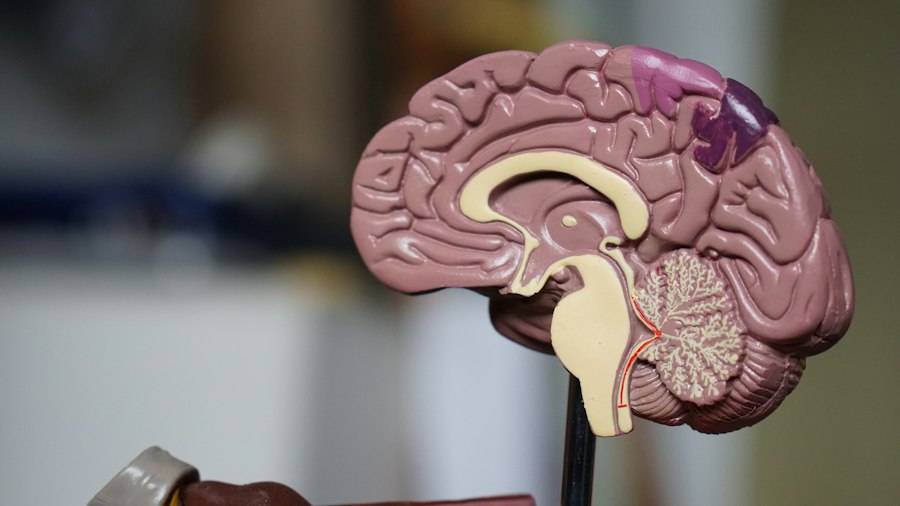
AI-powered clinical tools are now embedded in hospital workflows across the UAE, driving faster diagnoses and better patient outcomes.
Regulatory Framework: AI Medical Devices in the UAE
The UAE Ministry of Health and Prevention (MOHAP) regulates AI-based medical devices under Federal Decree-Law No. 4 of 2016 on Medical Products, updated to explicitly address AI and software as a medical device (SaMD). MOHAP has adopted a risk-stratified classification approach aligned with international frameworks including the FDA's SaMD guidance and the EU Medical Device Regulation.
The Dubai Healthcare City Authority (DHCA) operates a dedicated digital health regulatory pathway that has approved over 40 AI health applications since 2023, making Dubai one of the fastest markets globally for healthcare AI market entry. DHCA's regulatory sandbox programme allows AI health companies to conduct clinical validation studies within Dubai Healthcare City before seeking broader MOHAP approval.
Key Challenges Facing Healthcare AI Adoption in the UAE
Data quality and interoperability: Despite UAE investments in health information exchanges including Malaffi and Salama, data silos between facilities remain a significant barrier to training high-quality AI models on UAE patient populations.
Clinical workforce readiness: Healthcare AI tools require clinicians who understand their capabilities and limitations. UAE hospitals are investing in AI literacy training — but bridging the gap between technology capability and clinical confidence remains a multi-year challenge.
Algorithmic bias and population relevance: Most commercially available healthcare AI models were trained predominantly on Western patient populations. UAE patient populations — including a high proportion of South Asian and Arab residents with specific genetic and lifestyle risk profiles — may experience different rates of diagnostic accuracy with models not validated on local data.
Patient trust and consent: Building transparent consent frameworks and communicating clearly about how AI supports rather than replaces clinical decision-making is essential for maintaining patient trust in AI-augmented care.
The Road Ahead: Healthcare AI in the UAE Through 2030
Generative AI in clinical documentation: Large language model-powered tools that automatically generate clinical notes, discharge summaries, and referral letters from physician-patient conversations are beginning to deploy in UAE hospitals, with the potential to save clinicians up to two hours per day currently spent on documentation.
AI-powered drug discovery and genomics: The UAE's investment in genomics — through the UAE Genome Programme and Khalifa University's research programmes — positions the country to become a regional leader in AI-powered drug discovery and personalised medicine based on genomic profiling.
Robotic surgery augmented by AI: AI-guided robotic surgical systems are expanding in UAE hospitals, with platforms including the Da Vinci system now augmented by AI capabilities assisting surgeons in real time. Cleveland Clinic Abu Dhabi and American Hospital Dubai are expanding their robotic surgery programmes with AI-assisted capabilities.
AI at the network edge for remote care: The convergence of AI with edge computing is enabling high-quality AI-powered diagnostics in remote and primary care settings — bringing specialist-level diagnostic accuracy to community health centres, school health programmes, and home care environments across the UAE.
What Healthcare Leaders Should Do Now
Audit your current AI readiness — assess your EHR integration capability, data quality, and clinical workflow readiness for AI tools. The most common failure point for healthcare AI deployments is poor data infrastructure, not the AI itself.
Start with high-evidence, high-impact use cases. Radiology AI, early warning systems, and chronic disease management tools have the strongest clinical evidence base and the clearest ROI. These are the right starting points for most UAE hospital AI programmes.
Engage with UAE regulatory pathways early. Both MOHAP and DHCA offer pre-submission consultation for AI medical device vendors. Understanding the regulatory pathway before you build or procure saves significant time and cost.
Partner with a regional technology partner who understands both the clinical environment and the UAE's digital health regulatory framework. The most successful UAE healthcare AI deployments combine international AI technology with deep local implementation expertise.
Conclusion
AI in UAE healthcare in 2026 is neither a future promise nor a speculative technology — it is a present clinical reality transforming how the Emirates diagnoses disease, manages chronic conditions, operates hospitals, and delivers care to a diverse and growing population. With progressive regulation, a government-backed digital health agenda, and significant private investment, the UAE is positioned to become the leading hub for healthcare AI deployment in the MENA region through 2030.
Looking to implement AI-powered healthcare solutions or digital health technology in the UAE? Global DXB provides expert technology strategy, integration, and managed services for healthcare organisations across the UAE and GCC. Contact our team today to explore what AI can deliver for your organisation.
Tags: AI healthcare UAE 2026, artificial intelligence hospitals Dubai, digital health UAE, healthcare AI GCC, Dubai Health Authority AI, medical AI Abu Dhabi, AI diagnostics UAE, telemedicine UAE 2026, healthcare technology Gulf, AI radiology UAE
Comments
Post a Comment